Wealth & Space is an international collaborative research project led by five university partners, NGOs and local community organisations. Funded by the Volkswagen Foundation, the project investigates the nexus between wealth accumulation and the production of space in Latin America. The project departs from two premises:
Accumulation of wealth: Historically, the accumulation of wealth has been linked to the creation and appropriation of space, infrastructure, land and natural resources. The emergence of space and society are therefore mutually dependent. The contemporary phase of rentier capitalism produces and is produced by spaces that primarily serve the extraction of rents.

Production of space: In Latin America, the production and design of space are largely controlled by influential economic actors, known as business groups. Through business networks that maintain long-term, formal and informal links, yet remain legally independent, these actors are able to coordinate their actions and accumulate wealth.
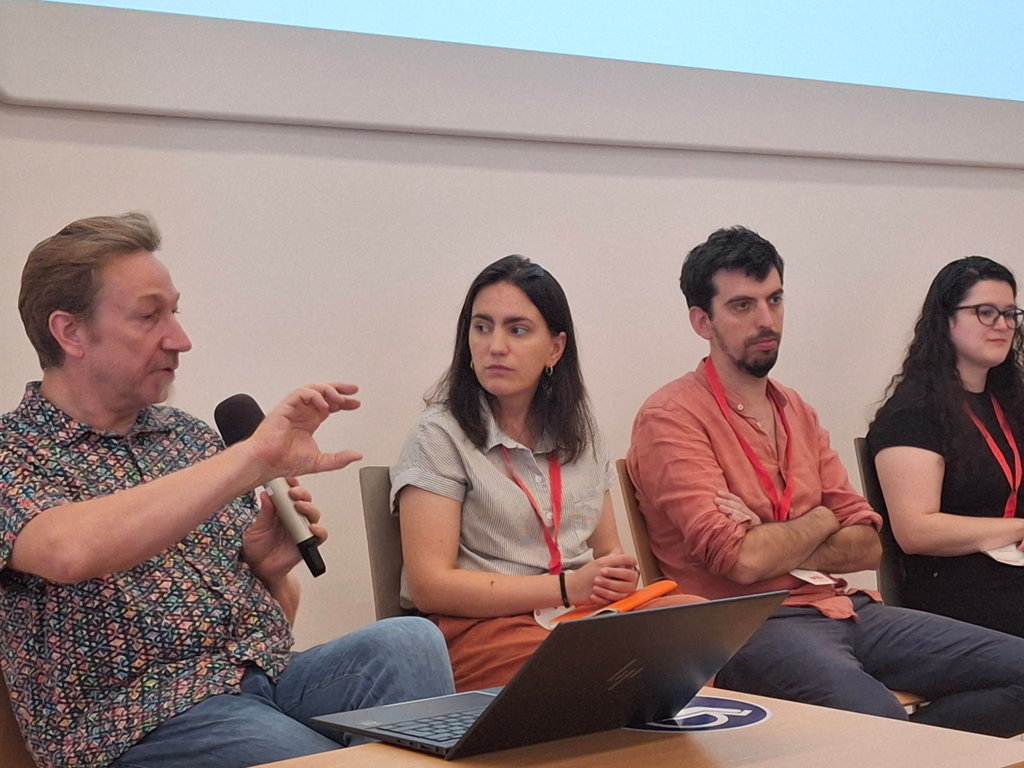
From 20 to 22 July 2026, several members of our research team presented findings from our research on wealth through space in Latin America at RC21 Conference on Urban and Regional Development in Vienna. Topics included extraction, finance, dependency, tourism, mining, indigenous struggles and socio-ecological transition in relation to productions of space.
Learn more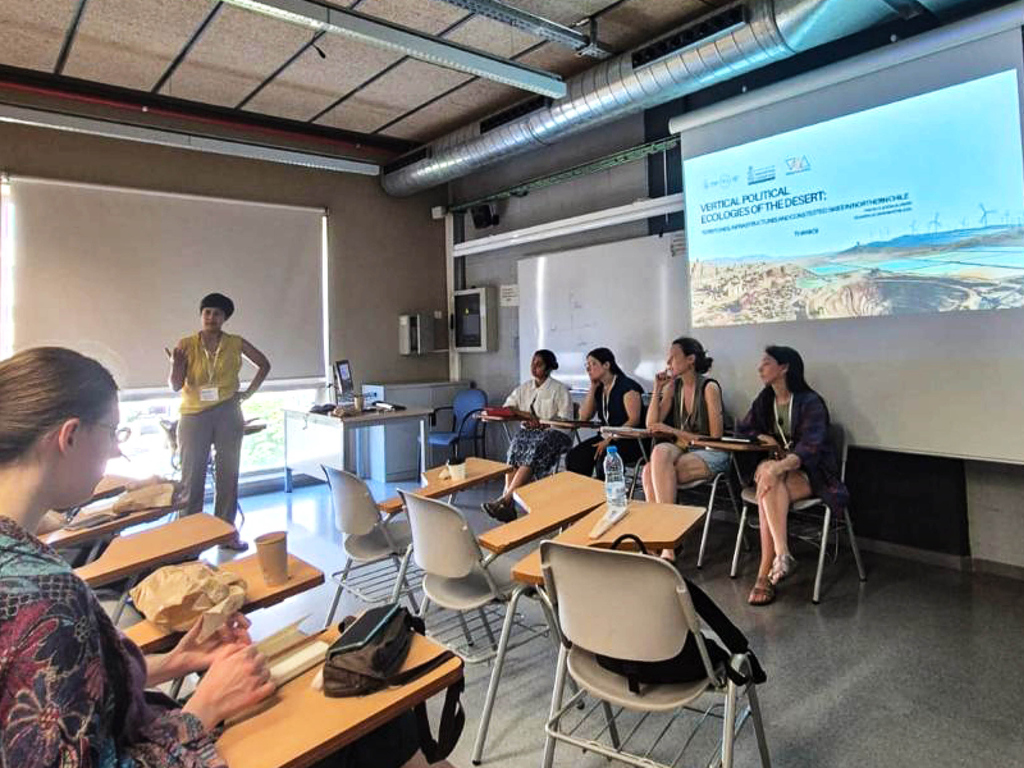
From 29 June to 4 July, three Wealth & Space researchers took part in POLLEN2026, the political ecology conference, at the Universitat de Barcelona. Claudia Alonso (Universidad de Chile) presented "Vertical political ecologies of the desert," on how the energy transition disputes ground, infrastructure, and sky in the Atacama desert. Manuel Bayón (El Colegio de México) analysed the long duration of socio-environmental conflicts involving large-scale transport infrastructure projects on the Yucatán Peninsula and in the Amazon. Francisco Montano (KIT) discussed the labour conflict between the avocado industry and the autonomous community of Cherán, Michoacan. Three different scales, one shared question: who decides over territories.
Learn more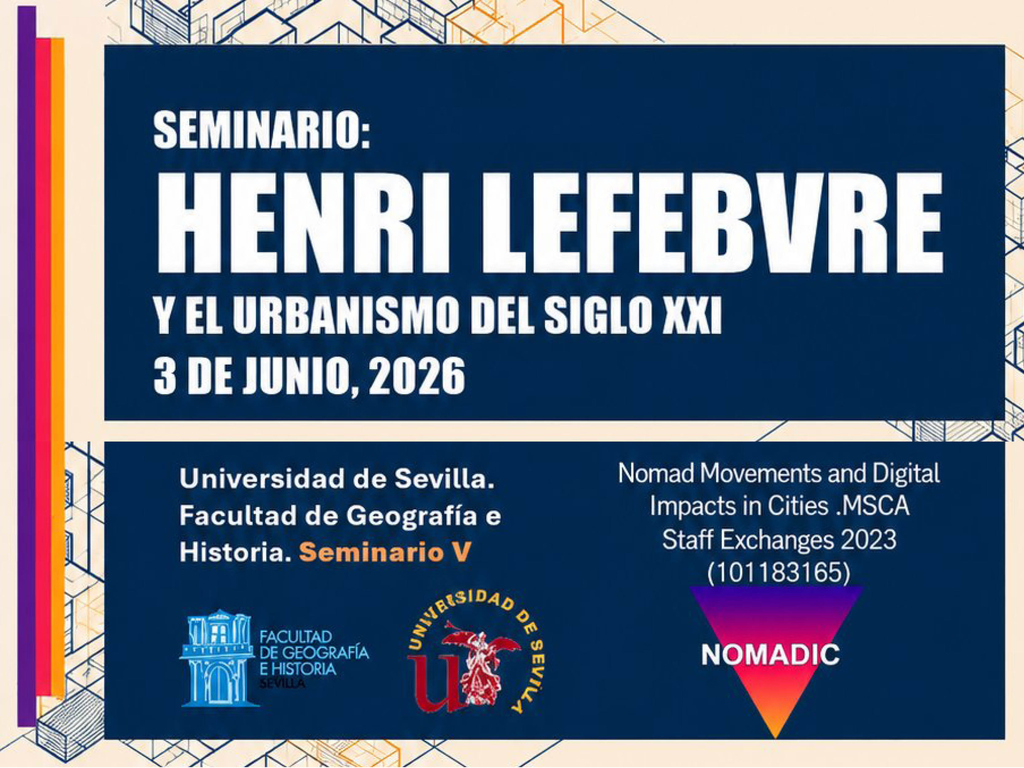
On 3 June 2026, a seminar was held in Seville focusing on tourism issues through the lens of Henri Lefebvre’s thinking on topics such as alienation, everyday life, centrality and the right to the city. Manuel Bayón, from El Colegio de México, offered a comparative perspective between the Yucatán Peninsula and the Ecuadorian Amazon, to situate tourism within the context of planetary urbanisation.
Learn more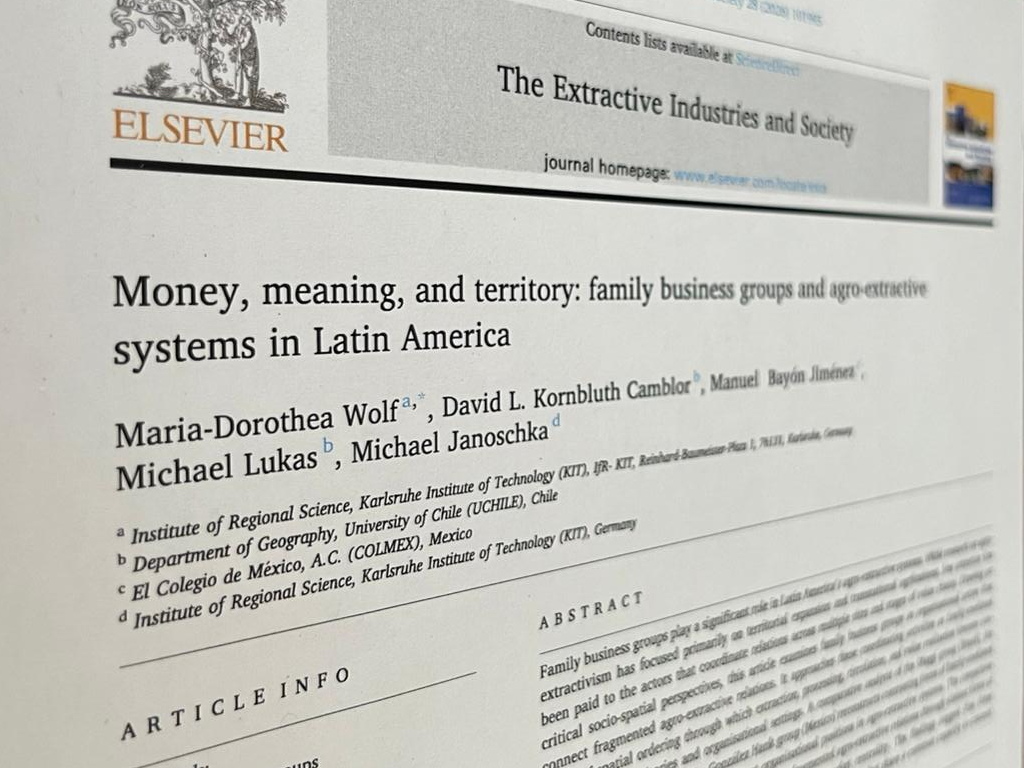
The article “Money, meaning, and territory: family business groups and agro-extractive systems in Latin America” by Maria-Dorothea Wolf (KIT), David Kornbluth Camblor (UCHILE), Manuel Bayón Jiménez (COLMEX), Michael Lukas (UCHILE), and Michael Janoschka (KIT) was published in the journal Extractive Industries and Society. Drawing on a comparative analysis of the Maggi (Brazil), Angelini (Chile), and González Hank (Mexico) family business groups, the article expands research on agro-extractivism by offering a new perspective on the coordinating role of family business groups.
Link to Publications
Besides internal meetings, we will offer a two-day public workshop on geographies of wealth. On 15 December, we will celebrate the public launch of "Geographies of Wealth", our new platform for critical research on territorial power. Details to follow.
Link to Platform
By introducing spatial dimensions into wealth research, Wealth & Space tackles important knowledge gaps.
Learn more
Works published by the team.
Learn More
Discover the final work package of Wealth & Space: Geographies of Wealth. A dynamic, interventionist Platform for Critical Research.
Learn more
Case Study Regions
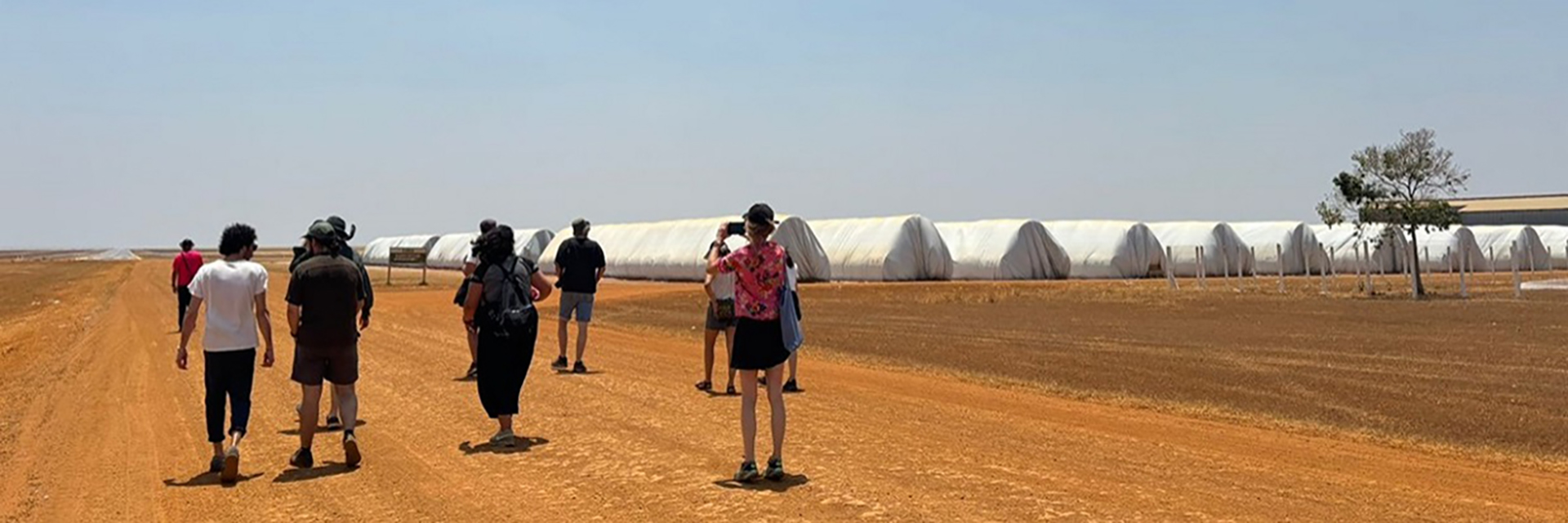
Wealth & Space examines the conflicts arising from the tension between wealth accumulation and the production of space, using three case study regions in Chile, Brazil and Mexico.
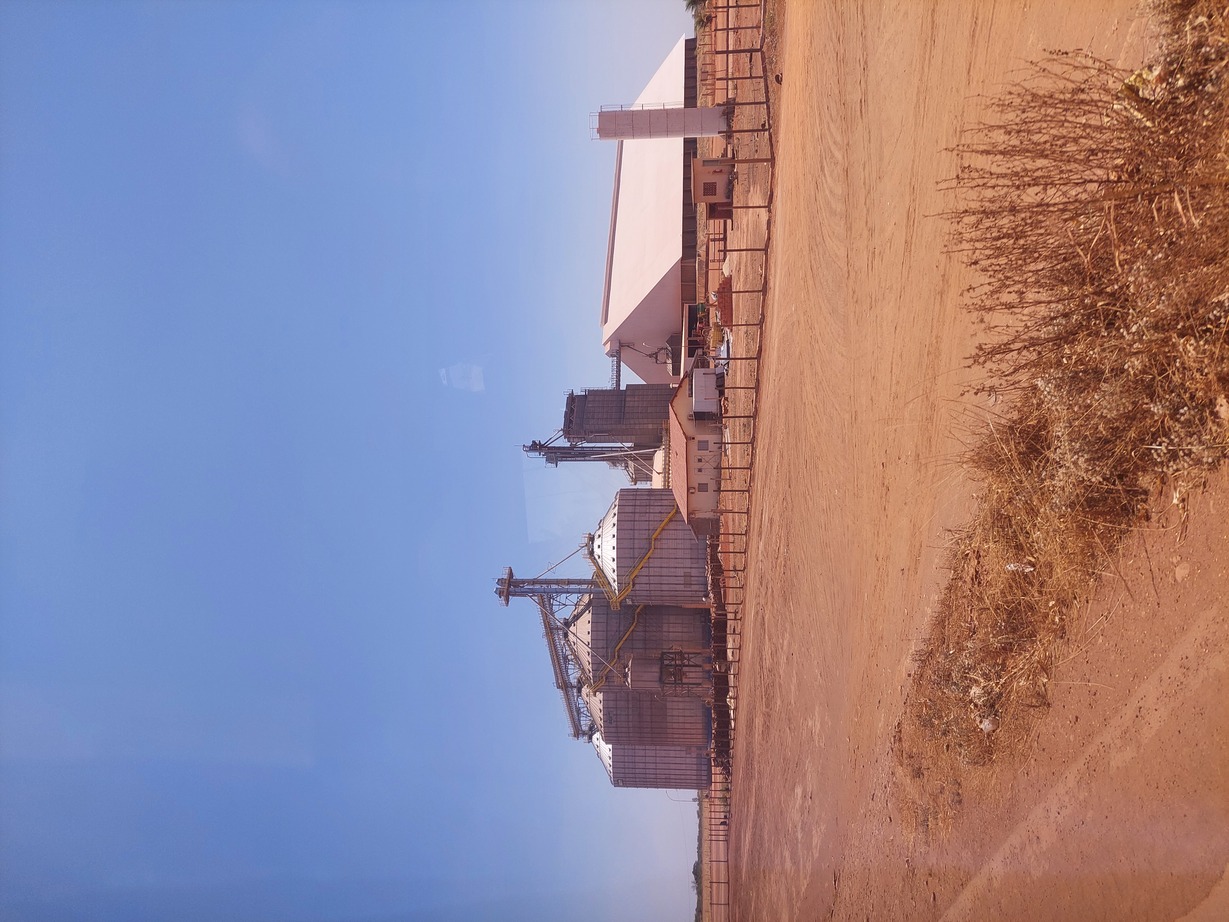
Matopiba: the agribusiness-urbanization nexus
Learn more
Antofagasta and Santiago de Chile: the mining-urbanization nexus
Learn more
Yucatan Península: The tourism-urbanization nexus
Learn more
Collaborating institutions